The Psychology of Menu Design: How to Influence Customer Choices
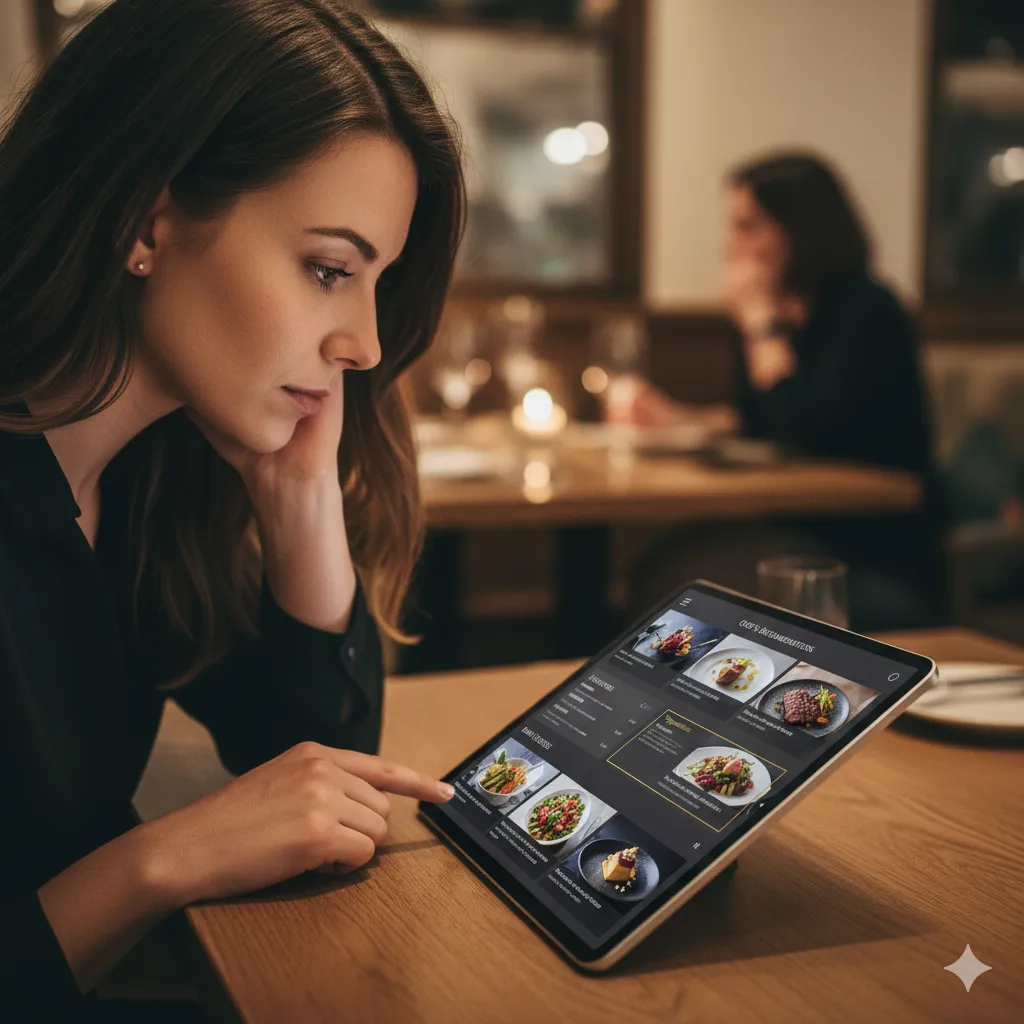
A well-designed menu can be your restaurant’s most profitable employee. By understanding the psychology behind how customers read and make decisions, you can strategically design your menu to guide them towards your most profitable items. This practice, known as menu engineering, is a blend of art and science.
Key Principles of Menu Psychology
1. The Golden Triangle: Readers’ eyes typically move to the middle of the page first, then to the top right, and finally to the top left. This “Golden Triangle” is where you should place your highest-margin items.
2. The Power of Placement: Items listed at the top or bottom of a category are more likely to be chosen. Use these prime spots for dishes you want to promote.
3. The Use of Color: Colors can evoke emotions. Green is often associated with fresh and healthy, while red can stimulate appetite. Use color strategically to draw attention to certain items.
4. Descriptive Language: Instead of just listing ingredients, use descriptive and evocative language. “Tender, flame-grilled steak” sounds much more appealing than “Steak.”
5. Decoy Pricing: Place a very expensive item at the top of a category. This makes other items seem more reasonably priced in comparison.
6. The Trouble with Currency Signs: Studies have shown that removing currency signs ($) can encourage customers to spend more, as it makes the transaction feel less like a financial one.
Applying Menu Psychology to Digital Menus
Digital QR menus, like those created with Astro-Menu, offer even more opportunities to apply these principles.
- Dynamic Highlighting: Use animations or special badges to draw attention to featured items.
- High-Quality Photos: A picture is worth a thousand words. Use professional, mouth-watering photos for your most profitable dishes.
- A/B Testing: Easily test different menu layouts, descriptions, and prices to see what works best.
By applying these psychological principles to your menu design, you can transform your menu from a simple list into a powerful sales tool.