The Rise of the 'Phygital' Restaurant: Blending Physical and Digital Experiences
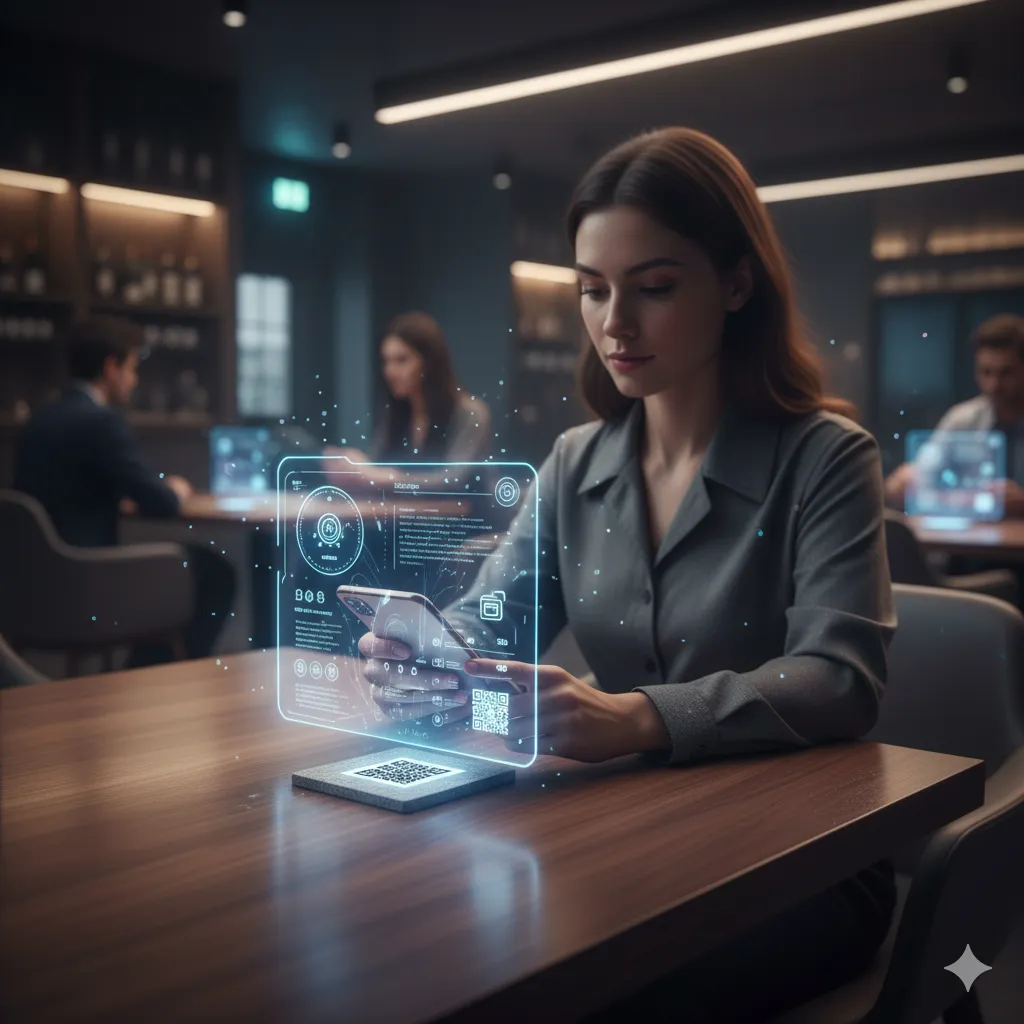
The line between the physical and digital worlds is blurring, and the restaurant industry is at the forefront of this transformation. The “phygital” restaurant combines the best of both worlds: the tangible, sensory experience of dining out, and the convenience, personalization, and efficiency of digital technology.
What is a Phygital Experience?
A phygital experience is one that seamlessly integrates digital technologies into a physical environment. QR menus are a perfect example of this, using a physical object (the QR code) to launch a digital experience (the menu).
The Building Blocks of the Phygital Restaurant
1. QR Menus and Contactless Ordering: This is the foundation of the phygital restaurant, providing a frictionless way for customers to interact with the menu and place orders.
2. Smart Tables: Imagine tables with built-in screens where you can not only order but also play games, watch videos, or even see a live feed from the kitchen.
3. Augmented Reality (AR) Menus: What if you could see a 3D model of a dish right on your table before you order it? AR technology is making this possible.
4. Personalized Ambiance: Your dining experience could be personalized based on your preferences, from the lighting at your table to the music being played.
5. Loyalty Programs and Gamification: Digital loyalty programs can be integrated into the dining experience, rewarding customers for their repeat business and encouraging them to engage with the brand.
The Goal: A Frictionless and Memorable Experience
The ultimate goal of the phygital restaurant is to create an experience that is both incredibly convenient and deeply memorable. By removing points of friction (like waiting for a menu or a bill) and adding moments of delight (like an AR preview of your dessert), restaurants can build stronger relationships with their customers.
While some of these technologies may seem futuristic, the transition to a phygital dining experience is already underway. It all starts with a solid digital foundation, and a QR menu system like Astro-Menu is the perfect first step.